
Brief Overview
Security cameras equipped with advanced infrared and color night vision technology are essential for ensuring clear footage in low-light conditions, crucial for business security. Image sensors, such as CCD and CMOS, play a pivotal role in enhancing night vision by efficiently capturing light. The strategic placement and maintenance of cameras further optimize their performance. Color infrared cameras offer superior clarity via full-color imaging and are adept across various business applications, from retail to industrial sites. By investing in these technologies, businesses can maintain comprehensive, reliable surveillance and safeguard their premises around the clock. At Security Camera Installation Irvine, we provide professional solutions to ensure your property is fully protected, day and night.
Key Highlights
- Infrared and color night vision significantly enhance security camera performance in low light, ensuring detailed footage.
- Effective image sensors and optimal lighting conditions are crucial for achieving high-quality night vision in cameras.
- Color infrared cameras provide clear, full-color images, improving identification and reducing false alarms at night.
- Strategic camera placement and regular maintenance maximize night performance and longevity of security systems.
- Advancements in night vision technology ensure businesses maintain reliable, around-the-clock surveillance.

Understanding Night Vision in Security Cameras
In the realm of security cameras, the ability to record clearly at night is pivotal. This usually hinges on advanced night vision capabilities. Key elements such as image sensors and environmental lighting conditions play crucial roles in enhancing night vision. For businesses looking to bolster their security measures, understanding these factors can lead to more informed choices about camera technology. By delving into these components, you’ll grasp how these cameras function optimally in low light conditions, ensuring your premises remain secure, regardless of the hour.
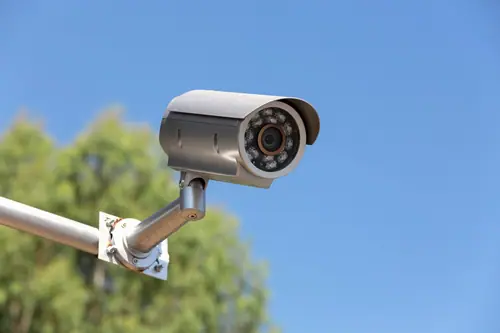
Image sensors are the heart of any security camera, fundamentally influencing its night vision capabilities. These sensors determine how well a camera can capture images in low light scenarios. At the core, an image sensor is made up of a light-sensitive chip that converts photons into measurable electronic signals. There are two main types of sensors used in security cameras: CCD (Charge-Coupled Device) and CMOS (Complementary Metal-Oxide-Semiconductor). Both have distinct impacts on night vision performance. CCD sensors are known for delivering high image quality and superior light sensitivity, vital for night vision security cameras. They excel in scenarios demanding high dynamic range and excellent color representation, even in low light.
In contrast, CMOS sensors are more energy-efficient and cost-effective, making them highly popular in consumer electronics. Although historically considered inferior in low light, advancements have brought them closer in performance to CCD sensors, especially in capturing high-resolution images without a need for excessive lighting. The ability of image sensors to function effectively in various lighting conditions depends significantly on their size and pixel density. Larger sensors can gather more light, which is particularly crucial for night vision. This becomes evident with cameras that possess low lux ratings, indicating their proficiency in recording clear footage even in minimal light.
When considering the optimal image sensor for night vision security cameras, businesses must weigh factors such as sensor type, size, cost, and performance against environmental conditions. High-quality night vision is often achieved by integrating infrared lights, enhancing the camera’s ability to see in complete darkness. Consequently, this technology is ideal for not only outdoor surveillance but also for indoor environments where lighting may be deliberately subdued for energy conservation or ambiance.
By learning how image sensors impact night vision, business owners can better assess their security needs and choose technologies that ensure optimal surveillance. Incorporating modern advancements in image sensor technology can significantly enhance the night performance of your security cameras, crucial for ensuring a well-protected environment after dark.
Lighting conditions are another critical factor in determining the effectiveness of night vision in security cameras. Proper lighting can dramatically enhance the quality of footage captured at night. Night vision technology often relies on both natural and artificial lighting to operate efficiently. In many instances, supplemental lighting is necessary to achieve clear, actionable video footage. Infrared light plays a vital role in this context. Most night vision security cameras are equipped with infrared LEDs that provide this invisible illumination without disturbing the area being monitored. These LEDs allow cameras to function in complete darkness, rendering a monochrome image that is useful for identifying individuals and detecting movements.
Lux ratings further underscore the importance of lighting in night vision capabilities. A lower lux rating means a security camera can perform better in dimly lit conditions. This is crucial for environments that rely on minimal lighting for aesthetic or energy-saving reasons. Proper adjustment of infrared light intensity and the strategic placement of cameras help maximize the efficiency of night vision technology. Additionally, the focal length of a camera lens impacts its ability to absorb available light. Cameras with adjustable focal lengths offer the flexibility to alter the field of view and focal point, optimizing the footage captured under varied lighting conditions.
Moreover, understanding external lighting conditions can enhance the night recording quality. Ambient lights, such as streetlights or nearby building lights, often contribute to reducing noise in the resultant footage. Cameras equipped with smart technology can dynamically adjust to changing light conditions, ensuring consistently clear images regardless of the environment. For business owners, it’s important to consider how external lighting influences camera placement to maintain optimal security while preserving the aesthetic integrity of the premises.
Overall, optimizing the interaction between image sensors and lighting conditions is key to fulfilling the full potential of night vision technology in security cameras. By carefully considering these factors, businesses can achieve robust security solutions that provide peace of mind and protection no matter the time of night.
How Far Can Security Cameras See in Low Light?
Security cameras are crucial for protecting properties at all hours, but their effectiveness in low light depends on various technological factors. One significant aspect is the distance they can cover in such conditions, notably influenced by night vision features. The advancement in technology, especially color night vision and other innovative features, plays a role in enhancing clarity. Here, we’ll explore how technologies like color night vision impact performance, as well as the specific features that affect the night visibility of security cameras, ensuring clear images during nighttime surveillance.
Color night vision technology represents a pivotal leap in the realm of security cameras. Traditionally, night vision capabilities relied heavily on infrared technology, which rendered grayscale images. While useful for identifying shapes and movement, these monochrome images often fell short of providing the clarity needed for accurate identification. Color night vision changes this dynamic significantly by allowing cameras to capture footage with detailed hues, even in low light conditions. This enhancement becomes critically important for business owners who need to maintain high levels of security surveillance without compromising on image clarity.
The core of color night vision technology is its ability to utilize any available ambient light more effectively than traditional infrared methods. By drawing in minimal existing light, such as streetlamps or moonlight, this technology produces brightly detailed images that aid in the precise identification of events, individuals, and objects. This is particularly beneficial for environments where traditional lighting conditions may not suffice. Security cameras equipped with color night vision are specifically designed to adapt to varying intensities of light, ensuring continuous and clear recording.
For businesses, the practical implications of this technology are vast. With high-fidelity color images, company security personnel can make quick, informed decisions in response to potential threats, enhancing the overall security system. Additionally, color night vision can reduce the frequency of false alarms, which often occur when grainy black-and-white footage is analyzed. Consumers can appreciate reduced operational disruptions and greater peace of mind, knowing that their premises are monitored with a higher level of visual detail.
Incorporating security cameras with color night vision into your surveillance setup can significantly elevate the quality of night-time footage. However, it is essential to choose models that have their lux ratings clearly labeled. This labeling indicates the minimum light level the camera needs to operate effectively, which is crucial for maximizing the advantages of color night vision. In essence, these advancements not only enhance the security camera’s ability to record clear footage at night but also improve overall surveillance efficiency, creating a safer environment for both businesses and their clientele.
| Technology/Feature | Impact | Benefits for Businesses |
| Infrared Night Vision | Enables clear visibility in complete darkness | 24/7 monitoring, improved security after hours |
| High-Resolution Cameras | Provides detailed images for better identification | Enhanced clarity for recognizing individuals |
| Motion Detection | Triggers alerts only when movement is detected | Reduces false alarms and saves storage space |
| Cloud Storage Integration | Ensures data is safely stored and easily accessible | Facilitates remote access and simplifies data management |
The effectiveness of security cameras in low light is dictated by numerous features that collectively enhance night visibility. Chief among these features is the inclusion of infrared LEDs. These LEDs emit invisible infrared light that illuminates dark areas without disrupting the monitored environment, allowing cameras to capture detailed images in pitch dark settings. This illumination provides an additional layer of night vision capability, complementing natural color night vision by ensuring clarity even in the absence of ambient light.
Another critical feature is the integration of advanced image sensors within security cameras. These sensors play a pivotal role in light conversion, taking minimal available light and amplifying it to produce clearer images. CCD sensors, renowned for their superior low light performance, are often preferred for professional-grade security cameras. They provide a distinct advantage in capturing high-resolution images, allowing for better scene interpretation and object recognition. CMOS sensors, while traditionally less sensitive to low light, have made significant strides in capability, making them a versatile option for both cost-effective and high-performance camera setups.
The focal length of the camera lens also holds considerable influence over night visibility. Adjustable focal lengths enable users to modify the field of view, effectively optimizing light absorption and focus precision. A longer focal length can be advantageous in night settings where focusing on distant objects is paramount. The ability to adjust this parameter also allows business owners to customize camera settings based on specific surveillance needs, ensuring that security cameras function optimally regardless of environmental constraints.
Additionally, some security cameras are equipped with smart technology that adjusts to lighting changes automatically, ensuring consistent image quality. This includes features like automated gain control and digital noise reduction, which help maintain image clarity in fluctuating light conditions. For businesses, utilizing cameras with these capabilities means reduced manpower for monitoring and less potential for missed incidents due to poor image quality. Hence, selecting cameras with these innovative features not only enhances night vision but also solidifies the security infrastructure in place, reinforcing a business’s commitment to safety and protection.
To further understand how security cameras are optimized for low-light conditions, consider the following key aspects that enhance their night visibility:
- Infrared LEDs ensure visibility in complete darkness by illuminating areas with infrared light.
- Advanced image sensors convert minimal lighting into clearer images, with CCD sensors excelling in low-light scenarios.
- Adjustable focal lengths provide optimal light absorption, adapting to specific surveillance needs effectively.
- Smart technology features like automated gain control adapt to lighting changes seamlessly.
- Digital noise reduction maintains clarity by minimizing graininess in variable lighting.
- Longer focal lengths allow for distant focus, crucial in expansive night-time setups.
- CMOS sensors have evolved to offer versatile options for varied performance and cost considerations.
These elements collectively boost security during nighttime, enhancing overall surveillance efficiency.
Why Choose Color Infrared Security Cameras?
Color infrared security cameras are revolutionizing the surveillance industry by providing exceptional clarity during nighttime recording. These state-of-the-art cameras offer significant advantages over traditional infrared security systems, particularly in environments with low light conditions. Business owners are increasingly opting for these cameras to enhance their security measures, relying on their ability to deliver color images and improved identification capabilities. By exploring the specific benefits of color infrared technology and its practical applications in business premises, you can gain valuable insights into how these security cameras can elevate your overall security strategy.
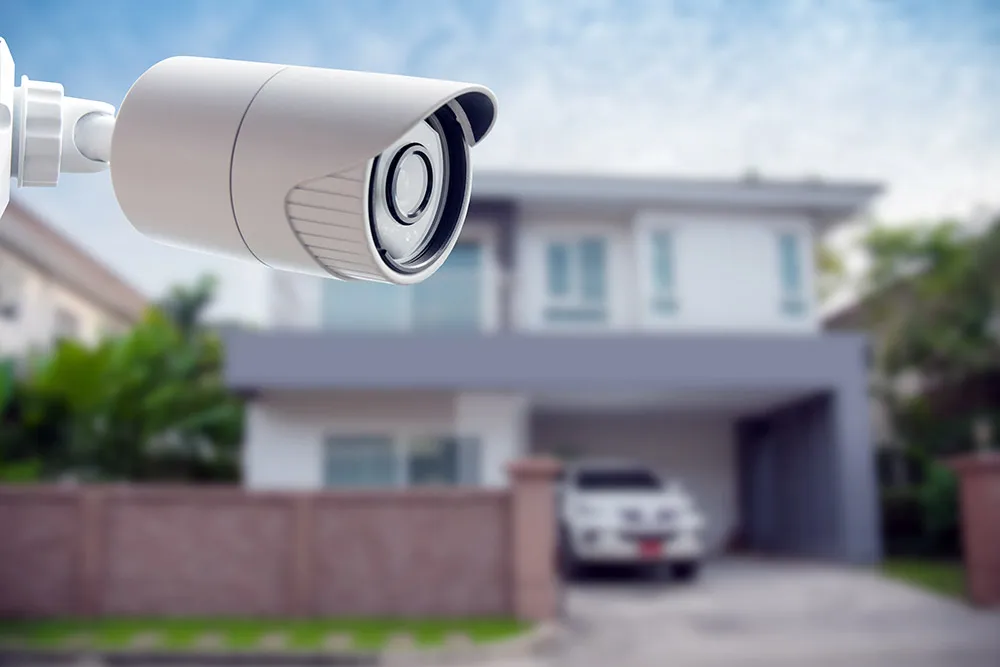
Color infrared cameras offer significant improvements over traditional infrared systems, making them a preferred choice for many businesses. One of their primary advantages is their ability to provide full-color images, even in low light or nighttime settings. This technological advancement aids in better identification of individuals or details within an environment that may otherwise be rendered in monochrome with standard infrared security cameras. The ability to capture color images is not just about aesthetics; it plays a crucial role in distinguishing critical elements like color-coded uniforms or vehicles, thereby enhancing response effectiveness and security assessments.
Furthermore, the strategic use of ambient lighting conditions enables color infrared cameras to deliver superior image quality. While traditional systems rely heavily on infrared LEDs to illuminate their surroundings, color infrared cameras can efficiently utilize minimal available light, from street lights to moonlight, to enhance their night vision performance. This feature reduces the stark contrast often associated with infrared footage, offering smoother transitions between illuminated and shadowed areas within the frame. This reduction in harsh contrasts helps in minimizing false alarms, leading to a more reliable surveillance system.
Another noteworthy advantage of color infrared cameras is their sophisticated image sensors. Advanced image sensor technology plays a significant role in converting available light into vivid color images. These cameras often integrate state-of-the-art sensors like CMOS or CCD, engineered to handle low light conditions and provide enhanced thermal imaging. This capability ensures that your security system captures high-resolution images without necessitating excessive light, thereby conserving energy and extending the life span of the camera system. Improved sensors also support better color fidelity and clarity, contributing to superior visual evidence for investigations and audits.
The lens system used in color infrared cameras further complements their advanced capabilities. Equipped with variable focal lengths, these cameras allow for customized settings based on specific security needs. Adjustable lenses enable business owners to optimize the field of view, capturing both wide-angle surveillance and focused details. This flexibility is essential for comprehensive security monitoring, ensuring clear and detailed footage is obtained irrespective of lighting conditions. The integration of smart technology within these lens systems further enhances night vision capabilities, automatically adapting to changes in light to maintain image quality. Harnessing these advantages ensures a robust, reliable security system capable of protecting your business premises at all times.
Color infrared security cameras are ideal for various business applications, offering versatility and efficiency in diverse settings. Retail environments, for example, benefit greatly from these cameras, as they ensure clear surveillance in low light conditions while preserving the true colors of the captured footage. This quality is crucial in retail settings where identifying individuals or assessing situations accurately can impact loss prevention and customer safety measures. Retailers can effectively monitor shoplifters or employee conduct even during dimly lit after-hours, providing an added layer of security.
In corporate office buildings, color infrared cameras play an essential role in maintaining security throughout different times of the day. These cameras can be strategically placed in lobbies, hallways, and parking areas to monitor occupancy and unauthorized access outside of regular business hours. They also help in assessing movement across entry points with greater accuracy, given their ability to capture clear images across extensive ranges, even in challenging light environments.
Industrial and manufacturing facilities also stand to gain from the application of color infrared cameras. These environments often feature sections with varied light conditions where efficient monitoring is required, such as production floors, storage units, and outdoor perimeters. By employing these cameras, facility managers can ensure safety, detect potential security breaches, and instantly respond to anomalies that may occur after hours. The ability to document events in full color enhances the overall situational awareness, helping in precise decision-making and equipment management.
Additionally, hospitality sectors such as hotels and resorts leverage color infrared technology to enhance guest experience and security. By installing these cameras in corridors, parking lots, and less-trafficked areas, establishments can offer a sense of safety and reliability. The technology not only helps in deterring crime but is also a valuable tool for incident investigation, allowing management to review high-quality, color-detailed footage for clarity and accuracy.
Overall, the adoption of color infrared security cameras in business settings provides comprehensive surveillance solutions. These cameras deliver exceptional detail and image clarity in low-light environments, supporting a wide range of applications from high-security areas to customer-facing zones. Their flexibility, adaptability, and superior performance in capturing clear color images make them a vital part of modern security infrastructure, catering to the unique needs of various industries.
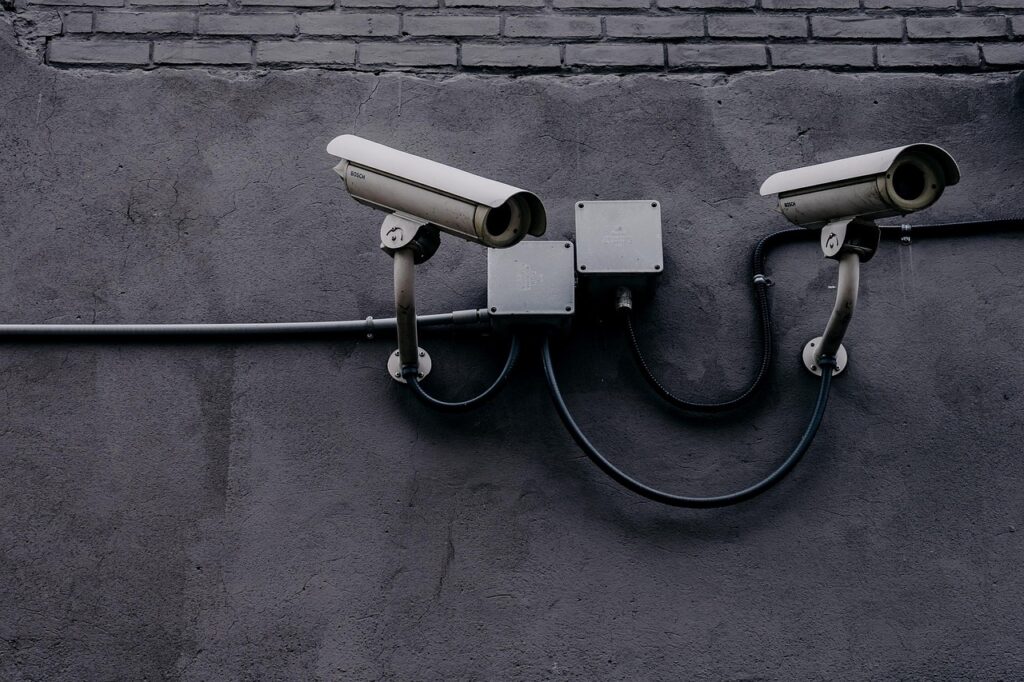
Enhancing the Night Performance of Security Cameras
Achieving optimal night performance with security cameras involves strategic practices that ensure clear and reliable footage. By focusing on optimal camera placement and maintenance, business owners can guarantee their security systems work effectively during nighttime operations. These strategies not only help in enhancing night vision but also in maintaining the longevity and reliability of the cameras. Let’s delve into some practical tips and methods to elevate the night capabilities of your security equipment.
Effective camera placement is critical in optimizing the night performance of security cameras. Proper positioning not only maximizes the field of view but also enhances the camera’s ability to capture clear images, particularly in low-light conditions. To start, it’s essential to identify high-risk and high-traffic zones within your premises that require constant surveillance. These areas might include entry and exit points, parking lots, and areas with valuable assets. By strategically placing cameras in these locations, you can ensure comprehensive coverage and more efficient monitoring.
When considering placement, one key element is the height of installation. Positioning cameras at a height of about 8 to 10 feet provides a balance between capturing significant detail and avoiding tampering or vandalism. This height allows cameras to effectively utilize their lens and sensor technology, taking advantage of the broader area they’re designed to cover. Additionally, it ensures that the infrared LEDs or any ambient light can illuminate the camera’s field effectively, further enhancing night vision capabilities.
Another aspect to consider is the angle at which the cameras are placed. Angling cameras downward at 30 to 45 degrees from their mounting point can significantly enhance the quality of recorded footage. Such an angle reduces the impact of glares from streetlights or other artificial lighting, which can sometimes hinder image quality. It also helps in optimizing the sensor’s ability to capture motion and detail in low light, leveraging the natural interaction of the environment with the camera’s infrared and color night vision technologies.
Placement near light sources can also play a pivotal role. While security cameras equipped with color night vision perform well in low light, nearby lighting can improve image clarity and reduce the incidence of false alarms caused by shadows. Ensure these light sources don’t directly hit the camera lens, as this could cause lens flare or wash out the video feed. Instead, indirect lighting enhances the ability to see details such as faces or vehicle plates, crucial for identifying incidents accurately.
For business owners, customizing camera placement to fit the unique layout and lighting conditions of the premises is vital. Adjusting for potential obstructions like trees or signage is also necessary to maintain a clear line of sight. Furthermore, utilizing cameras with variable focal lengths can enhance the flexibility of your surveillance setup, enabling you to adapt to changing security needs swiftly. This adaptability ensures that your security cameras not only perform optimally at night but maintain consistent quality and reliability over time.
For a more comprehensive understanding of camera placement, consider these practical steps in your evaluation:
- Evaluate the premises for high-risk zones regularly.
- Adjust the height of cameras to minimize tampering.
- Use downward angles between 30 to 45 degrees.
- Avoid direct exposure of cameras to harsh lighting.
- Customize placement based on site-specific needs.
- Incorporate cameras with adjustable focal lengths.
- Clear away obstructions to expand sightlines.
Following these strategies can significantly improve night-time security and image clarity.
Regular maintenance is paramount to ensuring that security cameras deliver clear footage, especially during nighttime operations. A well-maintained camera system not only supports the longevity of the equipment but also ensures that vital security footage remains clear and actionable. One of the foundational aspects of maintenance is routine cleaning. Camera lenses should be cleaned frequently using non-abrasive, microfiber cloths to prevent dust, dirt, or grime build-up, which can obscure the camera’s view and degrade image quality.
In particular, the infrared LEDs used in night vision security cameras need to be inspected regularly. These lights can accumulate dust or even insects, particularly in outdoor installations. Blocked LEDs could result in uneven lighting distribution at night, leading to blurry or obscured images. It’s beneficial to not only clean but also check the alignment of these lights to ensure they are properly illuminating the field of view intended.
Regular software updates are also key to maintaining the performance of your security cameras. Many security systems now offer remote software upgrades that incorporate enhancements to improve night vision and overall camera functionality. Manufacturers often release updates that can include new features for better light management or image processing, directly impacting the quality of nighttime footage. Staying up to date with these updates ensures your cameras leverage the latest technological advancements.
Periodic testing of the camera’s outputs is another essential aspect of maintenance. This involves checking video feeds periodically to confirm that footage is clear and stable. Any discrepancies or issues observed can then be traced back to lens focus adjustments, recalibrations, or equipment repairs. Additionally, checking the integrity of cables and connections is critical in preventing power surges or data transmission issues, which might impact video quality.
For outdoor cameras especially, considering environmental factors like weather or temperature extremes is vital. Installing protective casings can shield cameras from adverse conditions, preventing moisture ingress that distorts night vision capabilities. Similarly, arranging cameras inside vandal-proof housings can reduce risks of intentional tampering, ensuring they remain functional and maintain their intended coverage.
By adhering to these maintenance best practices, business owners can position their security setups to function effectively in night conditions. This not only reinforces the security measures in place but also ensures that the investment in technology effectively protects assets and personnel, providing peace of mind that the surveillance coverage will capture crucial evidence, exactly when it’s needed most.
Equipping your security cameras with high-quality infrared technology ensures superior night vision, allowing clear identification of details in low-light conditions. By selecting cameras with strong low-light performance, you gain peace of mind knowing that your property is under vigilant surveillance around the clock. When choosing security solutions, prioritizing nighttime clarity is essential for comprehensive protection. Check out our diverse range of security cameras specially designed to uphold visibility during the dark hours, ensuring your assets and surroundings are well-guarded at all times. Invest in security solutions that truly serve your safety needs day and night.