
Brief Overview
Integrating security cameras with smart home systems offers enhanced safety and convenience, allowing real-time monitoring, alerts, and automation to deter intrusions effectively. Smart cameras distinguish between faces and movements, providing precise alerts while reducing false alarms. Automation enhances security by synchronizing devices like lights and alarms, offering immediate responses to potential threats. When selecting cameras, ensure compatibility with existing smart home devices and consider features like HD video and two-way audio. Overcoming challenges such as connectivity and privacy concerns ensures a robust and efficient security setup that adapts to evolving needs, protecting both homes and businesses. For expert guidance and installation, our security camera specialists in Irvine ensure your smart home integration is seamless and reliable.
Key Highlights
- Integrating security cameras with smart home systems enhances safety and convenience with real-time monitoring and alerts.
- Smart cameras provide live video feeds, motion detection, and two-way audio, offering unparalleled control and accessibility.
- Automation triggers actions like lights or alarms when cameras detect movement, providing a responsive security network.
- Select cameras with Wi-Fi connectivity, high-definition video, and smart assistant compatibility for seamless integration.
- Overcoming integration challenges involves ensuring compatibility, strong Wi-Fi signals, and robust data privacy measures.

Understanding the Role of Security Cameras in Smart Home Systems
Integrating security cameras into smart home systems is a strategic move that enhances safety and convenience. With the advent of modern security technology, your home security system can be seamlessly connected to provide real-time video monitoring, intrusion alerts, and more. These smart security solutions ensure your home is well-protected, offering peace of mind both day and night. As we delve into the components of these systems, you’ll discover the advanced capabilities of smart home security cameras and how they can transform home safety.
When discussing smart home systems, security cameras stand out as essential components, redefining the way we perceive home security. Unlike traditional cameras, smart security cameras are designed to connect to your home Wi-Fi network, allowing seamless remote access via mobile apps or web interfaces. This connectivity enables homeowners to view live video feeds, receive alerts on suspicious activities, and even communicate through two-way audio features. Integrating security cameras into smart home systems offers unparalleled control and accessibility. The intelligence of these systems lies in their ability to work autonomously. They often include features like motion detection, night vision, and high-resolution video that adapt to different lighting conditions. Many models can differentiate between people, pets, and inanimate objects, minimizing false alarms. Most modern security cameras are designed not only for outdoor security but also to blend into your home decor, ensuring that they don’t detract from the aesthetic value of your living space. Additionally, the integration with other smart home security devices amplifies their utility. For instance, when someone approaches your front door, smart cameras can trigger connected lights and alarms, enhancing security measures. Another benefit is the compatibility with digital assistants like Alexa or Google Assistant. This allows voice-activated commands, offering hands-free control over your security system. With the combination of smart integration and cutting-edge technology, these cameras ensure that your security measures are responsive and adaptable to potential threats. Homeowners are increasingly opting for smart home security camera systems due to their convenience and the robust security they provide. They not only safeguard your property but also contribute to the overall ecosystem of a smart home, making life easier and safer. As these products evolve, we see enhanced capabilities that cater to more specific security needs. The efficiency and intelligence embedded in these devices demonstrate the significant advantages that these systems bring to everyday life, offering both immediate protective benefits and long-term security solutions.
The role of security cameras in smart home security systems cannot be overstated. By integrating with various components of your home system, they ensure a comprehensive security approach that traditional methods cannot match. One of the primary benefits is real-time monitoring, which allows homeowners to view their property at any given moment, ensuring activities around their home are always visible. These cameras work tirelessly to prevent theft and intrusion, acting as both a deterrent and a reactive measure. The presence of cameras can discourage would-be intruders from attempting to enter your property, knowing they are being watched. Alternatively, should someone attempt to breach your security, the system can notify you instantly, allowing you to take immediate action. This proactive approach is the hallmark of smart home security. Modern security cameras often include advanced capabilities like facial recognition and object tracking, which enhance their effectiveness. With these features, the cameras can identify familiar faces and alert homeowners to any unidentified visitors. Furthermore, integrating security cameras with alarm systems ensures that actions are coordinated. For instance, if a camera detects motion near an entry point at night, it can trigger lights and alarms simultaneously, reinforcing your home’s defenses effectively. The ability to access recorded footage offers another level of assurance. By having a comprehensive video record, homeowners can review any incidents that may have occurred during their absence. This not only helps in identifying culprits but also provides evidence that can be used for law enforcement if necessary. Moreover, the synergy between security cameras and other smart devices enhances overall safety. For example, if smoke or CO2 detectors are triggered, the cameras can immediately record the situation and send alerts, ensuring you get prompt notification of potential hazards. Most modern systems are designed to integrate seamlessly, providing a synchronized security experience that prioritizes both the safety and convenience of the household. In conclusion, continuing advancements in smart home security cameras are making them indispensable tools for homeowners. Their ability to adapt, connect, and communicate with other devices in your home provides a robust security solution that protects your family and property effectively. The future of home security undoubtedly lies in these smart systems, as they deliver a level of protection that single-function devices cannot.
By integrating security cameras into smart home systems, homeowners can further enhance their safety and lifestyle. Here are some additional advantages:
- Receive instant alerts on unusual activities, allowing for prompt response to potential threats.
- Keep a record of events with cloud storage options, ensuring important footage is safely backed up.
- Utilize facial recognition technology to easily differentiate between family members, friends, and intruders.
- Integrate with other smart devices to create a seamless security ecosystem, improving overall efficiency.
- Set personalized security zones, focusing monitoring efforts on high-risk areas of the home.
- Access security footage from multiple devices, ensuring you’re always connected and informed.
- Benefit from advanced analytics that provide insights on habitual patterns and potential security risks.
These features contribute to a comprehensive approach in securing your home, highlighting the diverse benefits smart security cameras offer for protection and convenience.
The Benefits of Integrating Cameras with Smart Home Technology
Integrating security cameras with smart home technology offers numerous advantages, enhancing both safety and convenience. By connecting your Wi-Fi cameras to popular smart home ecosystems, you gain control over security features like live video monitoring and instant alerts. Security cameras integrated into these systems provide a flexible and scalable solution for monitoring your property. From optimizing security to leveraging automation capabilities, these integrations enrich the overall experience, transforming how security is implemented in modern homes.
The integration of security cameras with smart home technology is a powerful way to optimize your home security. By connecting your security cameras to a popular smart home ecosystem, such as those provided by Google Assistant or Amazon Alexa, you can access a plethora of smart features that significantly improve the management and safety of your home. Smart security setups allow you to monitor live video feeds directly on your smartphone or tablet, providing the freedom to check in on your home from virtually anywhere. This can be incredibly helpful for business owners who are frequently away from their offices and need to keep an eye on their properties remotely. Security Cameras linked to smart systems have the capacity to immediately alert you to any suspicious activity, thanks to advanced motion detection and real-time notification features that are sent directly to your devices over your home Wi-Fi network. The integration process also involves connecting your security camera system with other smart devices across your home. By doing so, your home becomes a network of connected devices capable of responding to potential security threats automatically. For example, if your smart camera detects motion at night, it can work with other smart devices to turn on lights at the scene of the detection, or trigger an alarm system to deter potential intruders. This automation enhances the security measures in place, making your property much less attractive to would-be intruders. To achieve this level of smart security, many homeowners opt for smart home outdoor wireless cameras connect solutions as they offer flexible installation and greater coverage without the hassle of extensive wiring. By ensuring your security cameras are part of a smart home system, you can customize when and how you receive alerts, granting you unique control over your security strategy. All this can be done seamlessly without interrupting your daily routine, making the management of home security an effortless task. Moreover, smart security systems are designed with user-friendly interfaces that simplify the complexities of advanced security technology, making them accessible to everyone. This means that even those with limited technological expertise can benefit from the enhanced security provided by integrating security cameras within a smart system. In the fast-paced world of today, the ability to protect your home with a system that’s intuitive and easy to operate is invaluable. Embrace the power of smart features to ensure a safe, well-monitored environment that aligns with modern security demands.
Automation plays a vital role in enhancing smart home security, transforming the interconnectedness of devices into a responsive protective network. By integrating smart security cameras with automation technology, homeowners and business owners alike benefit from a system capable of intelligent responses to activities within or around the property. This is achieved by programming your home automation system to work with security cameras, ensuring a seamless reaction to any potential threats. The essence of automation in smart home security lies in its ability to execute predetermined actions without human intervention. For instance, integrating security cameras with your lighting system enables automated reactions when cameras detect movement. This could mean turning on exterior floodlights to deter intruders or focusing indoor lights to on specific zones as part of a strategic security response. An automated system not only enhances security by responding instantly but also adds a layer of convenience for day-to-day living, such as automatically lighting your path as you enter a room. Furthermore, automation allows security systems to work in harmony with other smart technologies, such as thermostats and locks. If a security breach is detected, the system can lock all doors and even notify emergency services or security personnel while you are alerted through live video feeds. This level of coordination would be difficult to achieve without automation, making it a cornerstone of smart home security advancements. The integration of security cameras with home networks is pivotal for successful automation. By ensuring reliable connectivity through your home Wi-Fi network, these systems maintain constant communication between devices. Wi-Fi cameras act as the eyes of your security strategy, providing video and sensor data that drive the automation processes. Additionally, the flexibility of these setups means that as your security needs evolve, there’s room to adapt and expand your system without massive overhauls. Automation also opens the door to intelligent scheduling, allowing security tasks to be tailored to specific times or events. This capability is crucial for business owners who may need varying levels of security throughout the day or week. Smart security systems can adjust to provide heightened monitoring and alerts during business hours or reduced activity during known quiescent times, conserving energy and enhancing operational efficiency. Ultimately, the strategic use of automation within smart home security elevates your capacity for protection while streamlining operations. By choosing smart home systems that integrate security cameras with automation, you craft a robust defense mechanism that not only provides peace of mind but also shapes a modern, efficient environment. Explore the potential of these systems to fortify your home security measures with the sophisticated and responsive capabilities of automation.
Choosing the Right Security Cameras for Your Home
Selecting the appropriate security cameras for your home isn’t just about protecting your property; it’s about integrating these tools with your smart home system to enhance safety and convenience. This section will guide you through the key features to look for when choosing smart security cameras and how to ensure they work seamlessly with your existing or future smart home devices.
When evaluating smart security cameras for your home, it’s essential to focus on the features that align with both your security needs and smart home compatibility. Look for cameras designed with robust technology to integrate effortlessly into various smart home ecosystems. Features like high-definition video quality and cloud storage capabilities are crucial. They ensure that video feeds are clear and accessible when you connect them to your home Wi-Fi network or access them remotely through mobile apps. Motion detection is a fundamental feature that enhances the effectiveness of smart security cameras. It enables the camera to alert you of any suspicious movements within its range, ensuring that you stay informed about activities around your property. Advanced models even offer facial recognition technology, distinguishing between familiar faces and potential threats. This tech reduces false alarms and ensures that your security measures are both proactive and responsive. Two-way audio capabilities enhance the interactive element of smart cameras. This feature allows homeowners to communicate directly with anyone on their property through the camera, adding a layer of convenience and security. Whether you’re instructing a visitor or deterring an intruder, this live audio communication offers real-time intervention capabilities. Moreover, consider cameras that offer night vision and weather-resistant designs for comprehensive security coverage both indoors and outdoors. Many homeowners prefer smart outdoor wireless cameras for their flexibility and ease of installation, keeping the aesthetics intact without sacrificing security. These cameras are designed to withstand harsh weather conditions while providing continuous surveillance. In addition to these features, integration with voice-activated assistants like Alexa or Google Assistant can further elevate your home security system. It’s not just about security, having a smart camera system that can respond to voice commands or work in tandem with other smart home products makes managing home safety straightforward and versatile. When choosing smart security cameras, put a premium on these features to ensure a comprehensive, efficient, and user-friendly experience.
To enhance your understanding of what makes a quality smart security camera package, consider the following additional considerations to keep in mind:
- Choose models with customizable motion zones for targeted surveillance.
- Select options with automatic software updates for improved functionality.
- Look for cameras with built-in alarm systems for direct response to incidents.
- Opt for devices offering 24/7 professional monitoring services.
- Consider models with privacy shutters for periods when surveillance isn’t needed.
- Evaluate the availability of subscription services for expanded features.
- Ensure compatibility with smart locks for an integrated security approach.
- Explore options with solar power capabilities for energy efficiency.
These elements can optimize your home’s safety while offering extra convenience and peace of mind.
Compatibility with your existing smart home devices can significantly influence the functionality of your security cameras. Before purchasing, verify that the cameras you choose can integrate with popular smart home ecosystems like Apple HomeKit, Google Home, or Amazon Alexa. This interoperability ensures that your camera system can provide real-time alerts, work efficiently with other smart devices, and leverage your home automation setup to its full potential. Security cameras need to communicate over your home Wi-Fi network to access these smart features. Ensure that the cameras support reliable wireless connectivity, which is integral for seamless integration into a smart home. A stable connection guarantees that video feeds, alerts, and automated actions are prompt and reliable, allowing you to monitor and control your cameras from anywhere. Another consideration is whether the security cameras are compatible with smart alarms or detectors in your home. Integration can elevate your security strategy; for example, cameras can trigger recording or notify you when smoke or motion detectors go off. Such synergy enhances security and minimizes response time during emergencies, securing business premises and homes alike. Moreover, look for systems that offer a degree of flexibility in set-up and can scale as your smart home evolves. This might include supporting additional cameras, sensors, or other devices without requiring a complete overhaul. Many smart home systems allow for modular expansion, offering a scalable solution that grows with your security needs. Also, keep in mind the user interface of the camera’s app when assessing compatibility. A unified system should be intuitive, making it easy to operate all devices from one dashboard without needing multiple apps. This enhances the overall user experience, making security management hassle-free and efficient. Finally, assess the security protocols that come with the cameras. Consider products that offer encryption and other security measures to protect your video feeds from unauthorized access, ensuring privacy and integrity. In doing so, you ensure that your integration not only enhances convenience and functionality but also maintains your home’s safety standards. With a growing market of smart security options, carefully checking compatibility and features will result in a robust, interconnected system that strengthens your home’s security strategy.
Steps to Connect Security Cameras to Your Home Automation System
Connecting security cameras to your home automation system enhances security by integrating live monitoring and automated alerts. This section provides a detailed guide on installation, setup, and overcoming common integration challenges. With smart home systems becoming more advanced, ensuring your smart home security cameras function flawlessly is crucial. Consider the flexible installation options of smart home outdoor wireless cameras, enabling seamless operation over your home Wi-Fi network. The ultimate goal is to synchronize your home automation system with security products effortlessly, increasing efficiency and offering robust protection for all business needs.
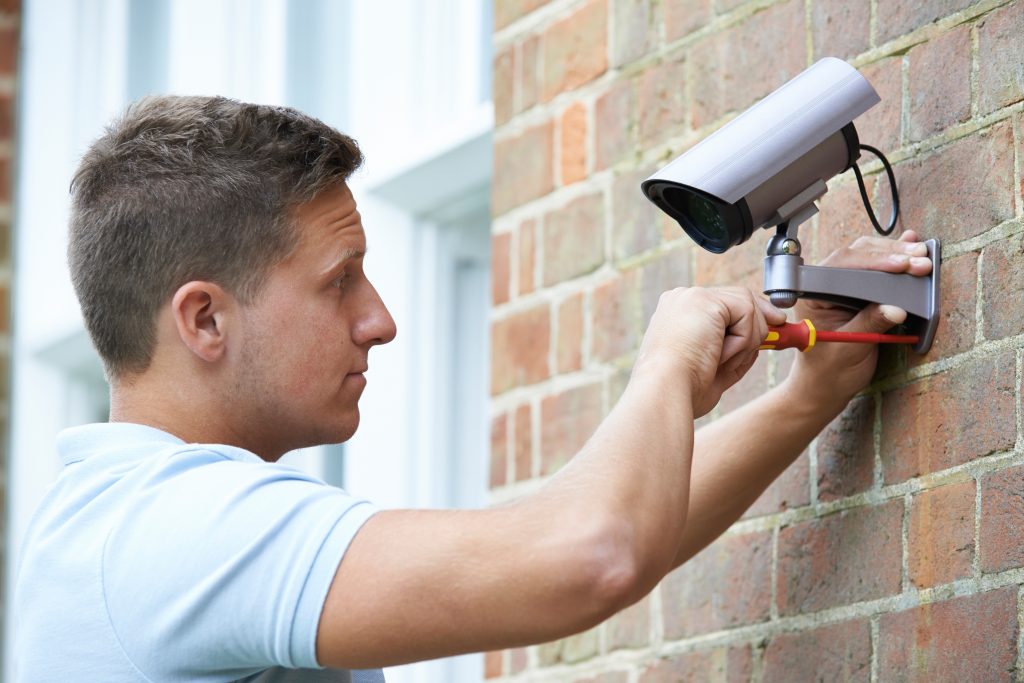
The installation and setup of security cameras in a smart home system might seem complex, but understanding the process can simplify it significantly. The first step is to identify the ideal locations for your security cameras, ensuring comprehensive coverage of your property. Strategic placement of cameras enables you to optimize surveillance, capturing high-quality video feeds with clarity. Focus on areas that are vulnerable to intrusion, such as entry points, driveways, and backyards, making sure that the cameras connect smoothly to your home Wi-Fi network. Once you have your cameras positioned, the next step involves configuring them with your home automation system. Begin by ensuring your cameras are compatible with popular smart home ecosystems, such as Google Home or Amazon Alexa. Compatibility is vital to facilitate a seamless connection, enabling you to control your cameras through voice commands or mobile apps. After compatibility checks, proceed to connect your cameras to the home Wi-Fi network, which acts as the backbone for data transmission, allowing live video streaming and remote access. Now, set up the cameras through their dedicated smartphone app. This step usually requires you to download an application provided by the camera’s manufacturer. These apps play a crucial role in the camera’s operation, offering options for setting motion detection alerts, configuring video quality preferences, and linking the cameras to your home automation platform. Attention to each camera’s individual setup is essential, as it ensures optimal performance within your specific environment, tailoring functions to meet your property’s needs. While setting up your cameras, pay attention to security settings. Encryption is crucial for protecting your video feeds from unauthorized access. Many smart home security cameras include functionalities such as two-factor authentication and end-to-end encryption, which secure data transmissions and provide peace of mind. Also, ensure that firmware updates are regularly performed, as they often contain critical security patches and functionality enhancements. Keeping your system updated is a proactive step in maintaining its reliability. Finally, test the integration comprehensively. Verify that all configurations are working as expected, motion alerts should reach your devices promptly and live video feeds should be accessible anywhere you have internet access. Regular testing ensures that your system remains responsive and ready to handle potential security threats. By following these steps meticulously, you can rest assured knowing your smart home security strategy is robust and effective, providing surveillance that is both comprehensive and intelligent.
Integrating security cameras into a home automation system can present several challenges, yet understanding and addressing them ensures a seamless operation. The first common issue revolves around compatibility. With the variety of smart home systems available, ensuring that your chosen security cameras can integrate smoothly with your existing devices is crucial. To address this, prioritize researching the compatibility of cameras with your intended platform. Whether it’s an Apple HomeKit, Google Home, or Amazon Alexa, confirming that they work together eliminates potential roadblocks early in the process. Another frequent challenge is network connectivity. Security cameras, especially smart home outdoor wireless cameras, rely heavily on your home Wi-Fi network for communication. Weak or inconsistent signals can impede the performance of your integration. Consider installing a signal booster or a mesh network system to enhance coverage, especially in larger homes or areas with multiple layers of walls, ensuring that cameras maintain a stable connection for reliable operation. Data privacy concerns are an integral aspect of smart home security, warranting attention during integration. Securing your network and ensuring your security cameras’ firmware is up-to-date mitigates unauthorized access risks, which can compromise your system. Implementing robust security measures such as strong passwords and enabling firewalls are basic yet effective steps. Furthermore, WPA3 encryption and regular password updates form a staple for maintaining data integrity and privacy within your network. Another hurdle arises from the need for synchronized operation across all devices. Security cameras should seamlessly integrate into your smart home system, working in tandem with lighting, alarms, and other IoT devices. This requires proper configuration and might involve setting up scenes or automations within your smart home system’s app. For instance, configuring an automation where lights turn on when the camera detects motion optimizes your security setup, adding deterrents against potential intruders. Power management is also a critical aspect, particularly for wireless systems. Ensure that your wireless security cameras are consistently charged or replace batteries regularly to avoid interruptions in service. Consider solar-powered options for outdoor cameras, which provide a sustainable power supply and reduce maintenance efforts. Lastly, adjusting to technological newness can be daunting. Simplifying interfaces and providing coherent user guides can enhance user experience, particularly for those less tech-savvy. Many smart home security systems aim to offer user-friendly operations that allow adjusting settings without extensive technical knowledge, adding to the convenience and attractiveness of these advanced security solutions. Navigating these challenges skillfully not only integrates your security cameras successfully with smart home systems but also strengthens your home’s overall security posture. This approach ensures that you have a dependable, comprehensive system, capable of reacting promptly and efficiently to potential threats, thus safeguarding both your property and peace of mind.
| Step | Action | Purpose | Key Consideration |
| Installation | Physically mount the cameras and connect them to power. | Ensure cameras are positioned and powered correctly for operation. | Consider optimal camera placement for maximum coverage and minimal obstructions. |
| Configuration | Access settings to configure network settings and camera features. | Set up the cameras to communicate with the home network. | Verify network compatibility and configure secure passwords. |
| Integration Testing | Test camera connectivity with the home automation interface. | Confirm that the cameras are properly integrated with the system. | Ensure system updates are applied and check for smooth operation. |
| Monitor & Maintenance | Regularly monitor camera output and perform maintenance. | Ensure continuous and reliable security monitoring. | Keep firmware up to date and monitor for unusual activity or faults. |